



Article: How to Repair a Damaged Skin Barrier?

How to Repair a Damaged Skin Barrier?
IN THIS ARTICLE:
- 01 How does the skin barrier work?
- 02 What are the benefits of maintaining a healthy skin barrier?
- 03 What causes skin barrier damage?
- 04 How to treat a damaged skin barrier?
Originally published on February 24, 2022. Last updated on February 29, 2024.
Although your skin might appear thin and delicate, it is actually composed of multiple layers, with the outermost layer serving as the skin's protective barrier. It is vital to allow it to function properly, especially in its key role of keeping the good things in and the bad things out.
For example, avoiding over washing, staying hydrated, and moisturizing are beneficial for the skin. Technologies like Blue LED light therapy can aid in the repair and healing of a damaged skin barrier.
1. How does the skin barrier work?
Imagine having your own line of defense, a thin but strong brick wall, against your skin’s enemies; that’s how the skin barrier acts.
The skin barrier functions as the outermost layer of the skin's surface, acting as the initial shield that prevents the penetration of pollutants, UV rays, and other external aggressors. Its intricate network of cells and lipids forms a protective barrier that regulates moisture levels and prevents harmful substances from penetrating the skin, helping maintain its health and vitality.
2. What are the benefits of maintaining a healthy skin barrier?
Caring for your skin barrier is beneficial not only for your skin but also for your overall health. Here are more reasons why it's important to nurture and protect it.
Slows down the aging process
It plays a crucial role in preserving skin's elasticity and firmness, which can help reduce the appearance of fine lines and wrinkles. By maintaining a robust barrier, the skin can better resist environmental stressors that contribute to premature aging.
Improves the skin's appearance
It leads to a more radiant complexion, as it retains moisture effectively and prevents dehydration. This results in a smoother, softer texture and a youthful glow, enhancing the overall look and feel of the skin.
Prevents infections
It ensures that the skin's natural defense mechanisms are intact, creating a protective shield that wards off potential threats, promoting skin health and overall well-being.
Supports skin repair
It aids in the skin's natural repair process, enhancing its ability to heal from damage, such as wounds or irritations. By bolstering the barrier function, the skin can recover more efficiently and maintain its resilience.
Enhances hydration
It regulates moisture levels, preventing water loss and maintaining optimal hydration. This helps to keep the skin supple, plump, and hydrated, contributing to a more youthful and revitalized appearance.
3. What causes skin barrier damage?
Damaged skin can look like many things. Think redness, dry skin, discoloration, and even sensitivity. If you find that recently your skin has started to feel this way, it may be a sign of a compromised skin barrier. There could be a few reasons why your skin feels lackluster all of a sudden.
- Over-exfoliating - exfoliating too frequently can lead to redness, dryness, and flakiness. It's important to find a balance and exfoliate only 2-3 times per week. Pay attention to how your skin reacts and take a break if it becomes irritated.
- Sun damage - harmful UV rays can cause issues such as hyperpigmentation, discoloration, and more serious conditions. Apply enough sunscreen to shield your skin effectively.
- Water temperature extremes - hot water can strip the skin of its hydrating properties, while very cold water may hinder the removal of dirt and grime. Both extremes can lead to acne breakouts, scarring, and a dull appearance. Opt for lukewarm water to keep your skin balanced.
- Overuse of active ingredients - concentrated products can cause dryness. Try to incorporate them one at a time or alternate their usage in your skincare routine. To combat dryness, incorporate a hydrating cream.
4. How to treat a damaged skin barrier?
Beyond consultations with your dermatologist and in-clinic procedures, there are simple ways you can assist in treating a compromised skin barrier from the comfort of your own home.
Prioritize hydration
Hydrating your skin is essential for repairing a damaged skin barrier. Consider using products with hyaluronic acid, which can hold up to 1000 times its weight in water. Hyaluronic acid instantly absorbs moisture and delivers high hydration levels for a glowing complexion. Hyaluronic acid is naturally found in the skin and acts as a moisture sponge for dry skin cells.
Limit sun exposure
Sun exposure is a significant cause of skin barrier damage. Continuous exposure to UV rays hampers the skin barrier's restoration process. Protect your skin by using a broad-spectrum sunscreen with an SPF of 30 or higher every day. Look for sunscreens that are enriched with antioxidants for additional anti-aging benefits along with sun protection.
Consider LED light therapy
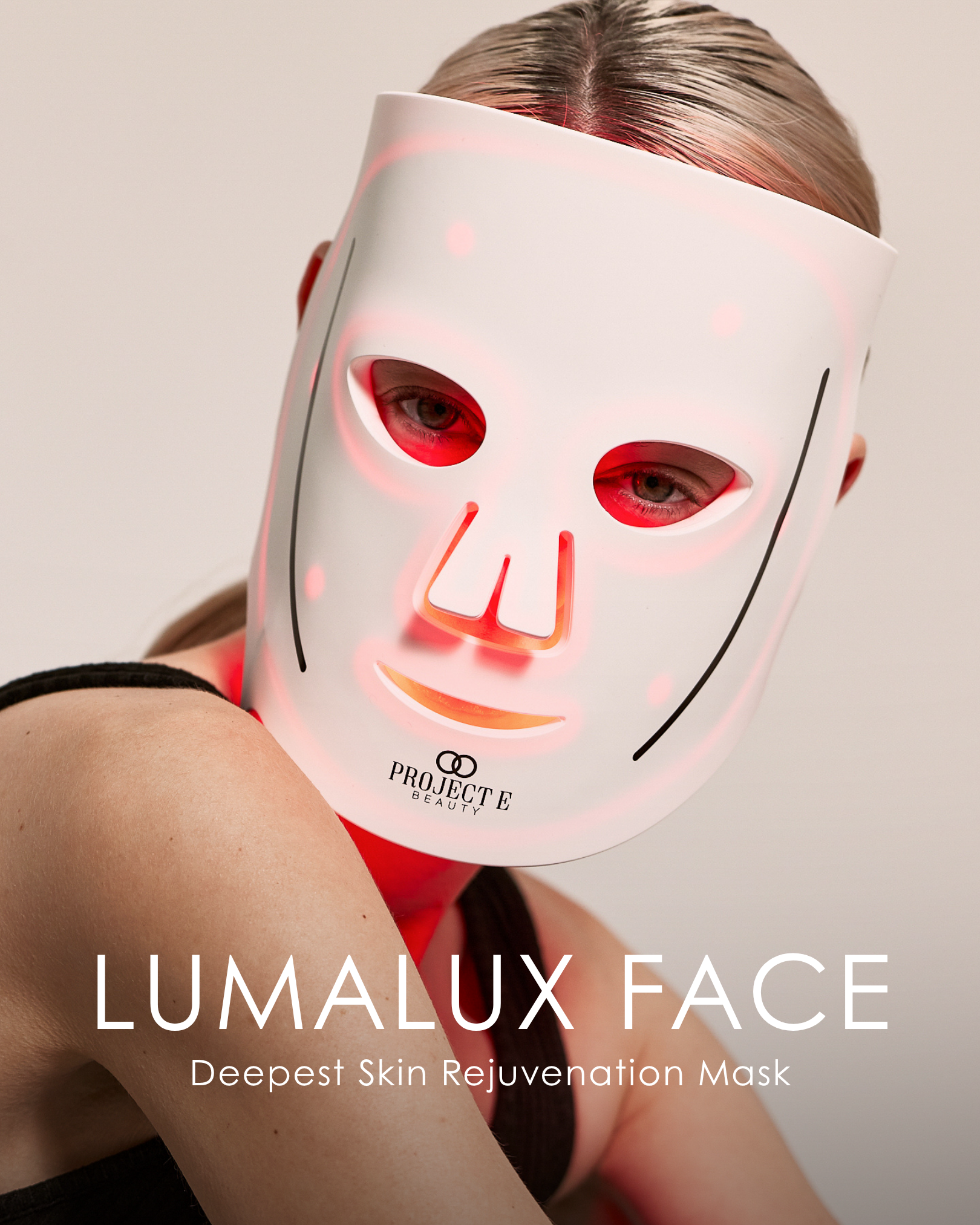
Given its promising benefits, LED light therapy is definitely worth a try for a myriad of skincare concerns, and that certainly includes maintaining the integrity of your skin barrier. Look for an device like LumaLux Face | Pro LED Red Light Therapy Mask that can help target issues such as acne, scars, and wrinkles. With 400% more LEDs than the industry average with 800 high-grade LEDs, it delivers effective skin rejuvenation, boosts collagen production, and has anti-inflammatory properties. Blue light can also help tighten the skin and inhibit the sebaceous gland, making it helpful for killing bacteria and sterilizing acne-prone skin.

written by Olivia Khader
References:
- Mead N. Benefits of Sunlight: A Bright Spot for Human Health. Environmental Health Perspectives. 2008 Apr.
- Mariana G Figueiro, Levent Sahin, Charles Roohan, Michael Kalsher, Barbara Plitnick, and Mark S Rea. Effects of red light on sleep inertia. Nat Sci Sleep. 2019.
- Cindy D. Davis. The Gut Microbiome and Its Role in Obesity. Nutrition Today. 2016 Jul.
- Klepeis NE, Nelson WC, Ott WR, et al. The National Human Activity Pattern Survey (NHAPS): a resource for assessing exposure to environmental pollutants. Journal of Exposure Analysis and Environmental Epidemiology. 2001 May.




4 comments
Hi Lisa,
Thank you for reaching out, and we’re really sorry to hear about your experience.
To better understand what might be causing this, could you please share a few photos or a short video of the affected area? This will help our team review your case more accurately and provide the right guidance.
We’ve also sent you an email to assist you further—please feel free to reply there with the details.
In the meantime, it’s best to pause usage until we can assess the situation.
We’re here to help and will do our best to support you.
Project E Beauty
What is the answer to her question — just as I was hitting the button to purchase the face mask and one to use over the body.
melanie fogel
I’ve been using the mask on red for 3 minutes every day and have developed small red spots on my face. I stopped using it in hopes that they will go away. What’s going on? Thinking of returning it. Could I be using it incorrectly?
Lisa Orenberg
I have been using the mask on red for 3 minutes every day. I have developed red dots on my face and have stopped using it. Will the dots go away and am I doing something wrong? I’m thinking about returning it.
Lisa Orenberg
Leave a comment
This site is protected by hCaptcha and the hCaptcha Privacy Policy and Terms of Service apply.