



Do collagen supplements actually benefit your skin?
Can red light therapy support collagen production alongside supplementation?
- 01 What is Red Light Therapy?
- 02 What is Collagen and Why is it Important?
- 03 When Do Collagen Levels Start to Decline?
- 04 What are the Different Types of Collagen Supplements?
- 05 Can Collagen Supplements Promote Healthy Collagen Levels?
- 06 How Much Collagen Should We Take?
- 07 How Does RLT Stimulate Collagen Production?
- 08 Can Combining RLT with Collagen Supplements Improve Results?
- 09 Which is More Effective, RLT or Collagen Supplements?
- 10 Frequently Asked Questions
Collagen naturally depletes as we age, which is why experts recommend collagen supplements, or red light therapy (RLT), to stimulate collagen production and replenish those reserves.
Red light therapy and collagen supplements are both non-invasive treatments that target collagen loss, albeit in different forms. But, beyond their usability, is one form more effective than the other in improving collagen levels, and can you combine red light therapy with collagen supplements?
We spoke to Update Aesthetics expert, Nina Prisk, and Skin Medical doctor, Dr. Sabika Karim, to learn more about collagen, red light therapy, and collagen supplements.
What is Red Light Therapy?

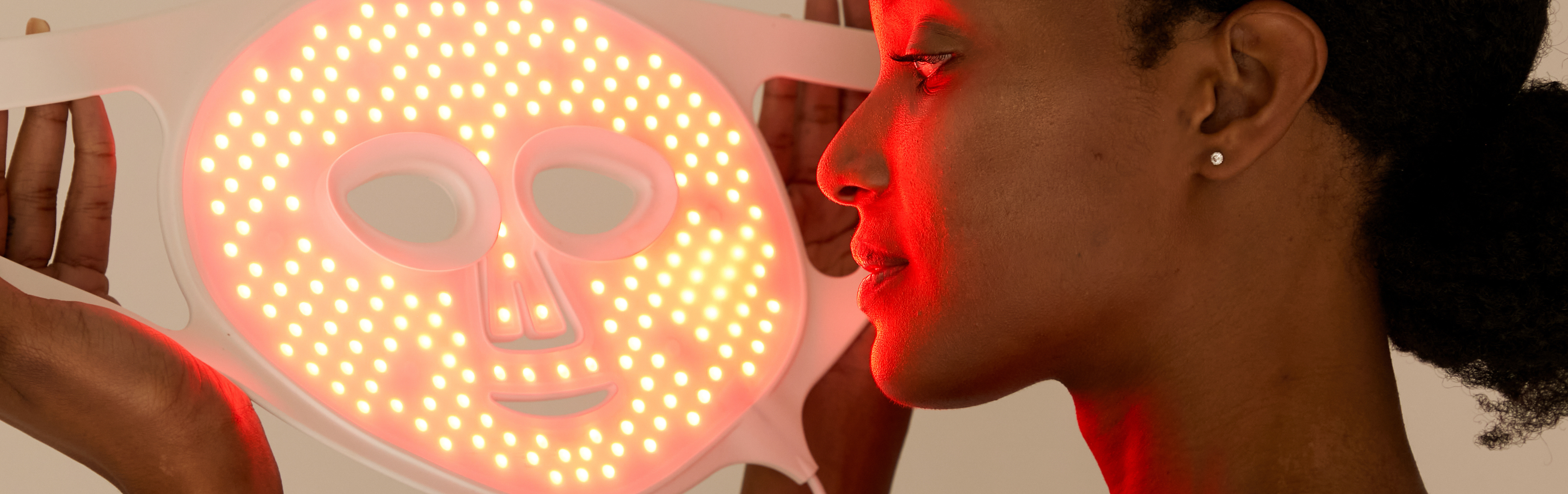
Red light therapy is a non-invasive treatment that uses “low-level wavelengths of red or near-infrared light to stimulate cellular repair, reduce inflammation and support skin health. It also supports mitochondrial function to promote healing, pain relief and skin repair”, explains award-winning aesthetic doctor Karim.
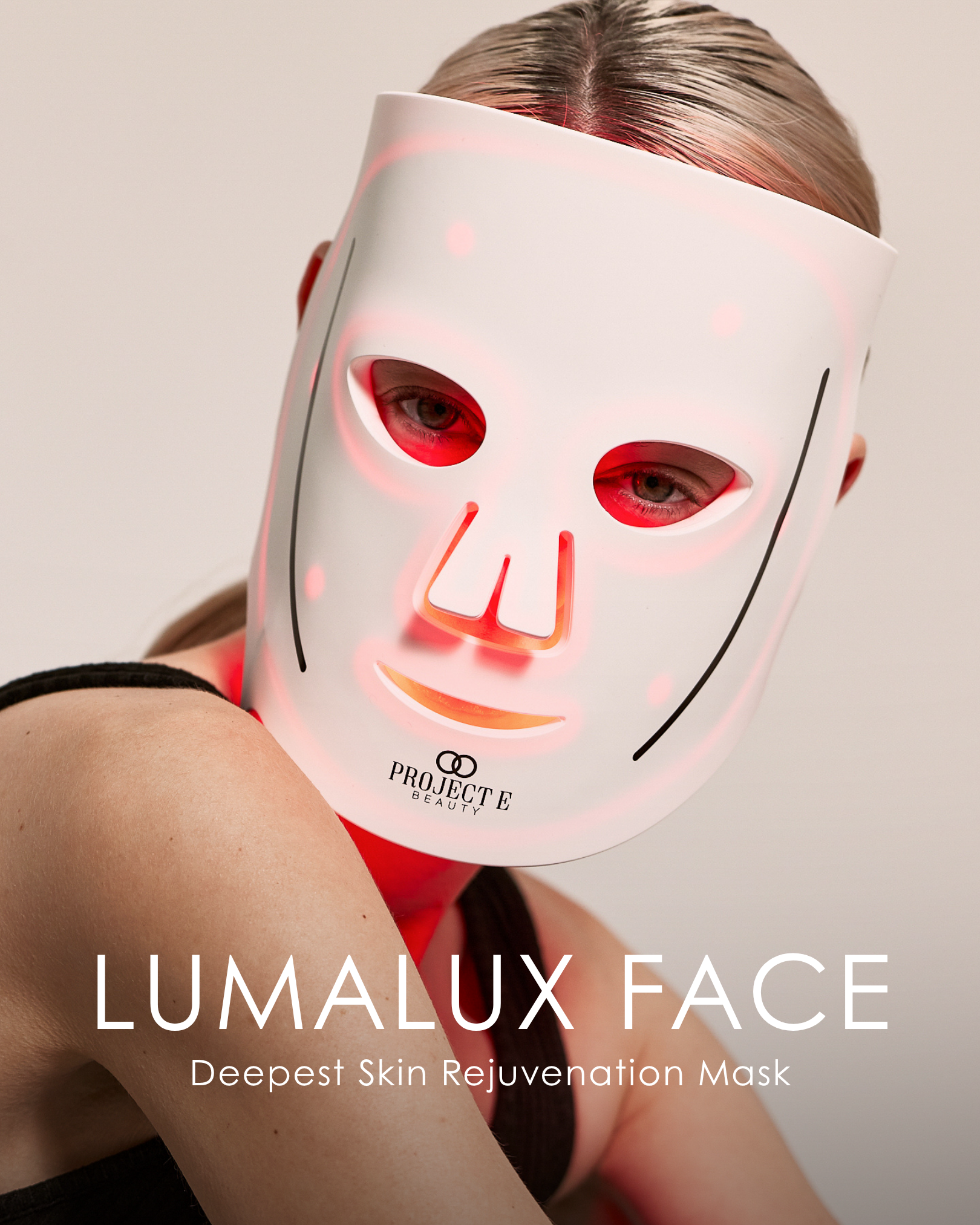
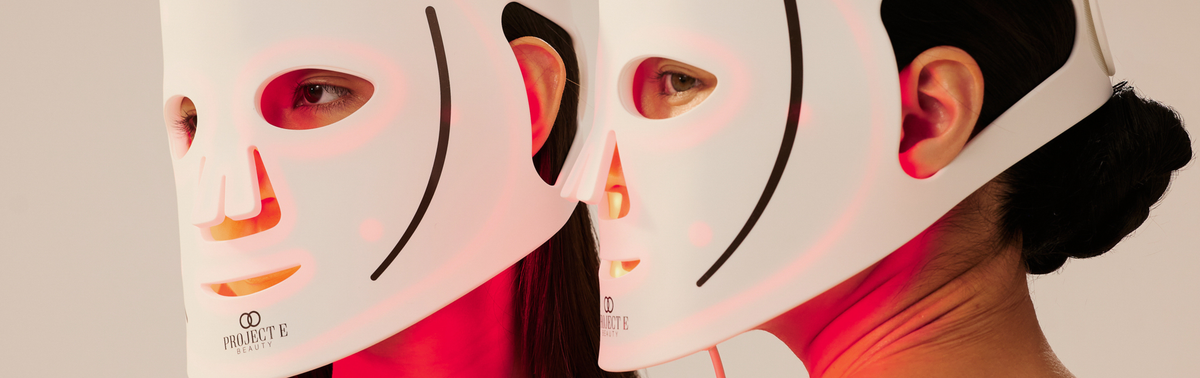
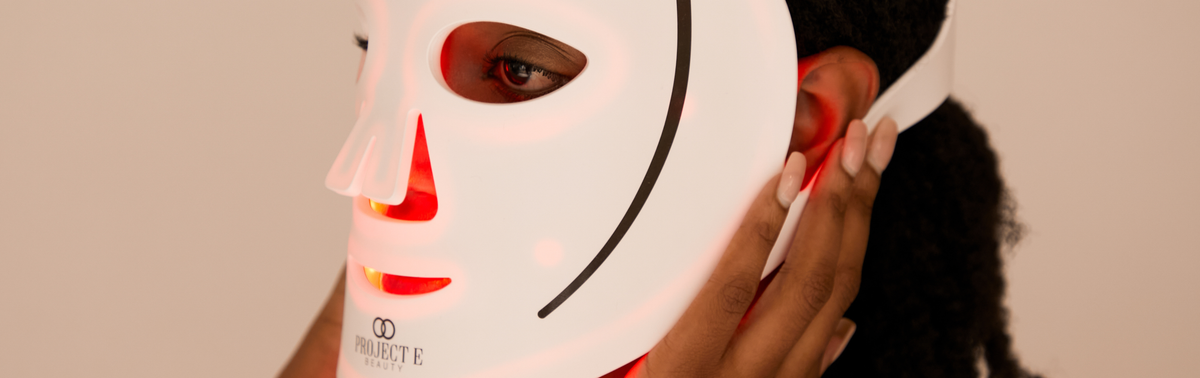
LED Light therapy treatments can be carried out by professionals in clinics, or at home devices from brands with a proven track record of skin safety and is a reputable retailer, such as Project E Beauty’s Alora Age Renewal LED Panel, LumaLux Dome, LumaLux Face Pro LED Red Light Therapy Mask, and the LumaLux Face+ Pro LED Red Light Therapy Face and Neck Mask.
What is Collagen and Why is it Important?
According to Karim, collagen is the “the most abundant protein in the body” and is “vital” for the structure and strength of bones, muscles, tendons and connective tissues.
Collagen is also a crucial factor in skin health. The aesthetics doctor adds: “Collagen makes up three-quarters of your skin and is essential for its elasticity and structure, helping skin to stay firm, plump and flexible.”
When Do Collagen Levels Start to Decline?
While Prisk describes collagen as “the framework underneath everything”, but collagen levels gradually deplete over time.
Prisk and Karim pinpoint the mid-twenties as the time collagen production starts to decline by up to 1.5% less per year, which is why collagen supplements and RLT can be beneficial to stimulate and maintain collagen levels.
What are the Different Types of Collagen Supplements?
There is a multitude of collagen supplements on the market; from marine, bovine to vegan formulas, which can come in liquid, powder or capsule form. So, which is best for you?
- Marine collagen: Marine collagen comes from fish skin, scales and bones. It is best for skin health, specifically improving firmness and elasticity, as it is rich in Type I collagen, which is most common in the human body, says Prisk. Marine collagen is known for its high bioavailability, which means it is easily absorbed in the body.
- Bovine collagen: Bovine collagen is “extracted from the hides and bones of domesticated cattle”, and blends with specific amino acids typically high in glycerine, explains Karim. This collagen contains Type I and III collagen, which targets skin and connective tissues, supports joint issues and general health.
- Plant-based collagen: Plant-based collagen is often derived from plant sources, such as leafy greens, nuts, seeds and berries. Prisk reveals vegan collagen “doesn’t actually contain collagen itself”, but collagen builders and nutrients that “help support the body’s own natural collagen production.”
A common concern around collagen supplements is if the delivery system impacts its efficacy? While Prisk maintains that the dosage and consistency of use is more important than the delivery system, Karim asserts that hydrolysed powdered collagen is the best option. She explains: “Powdered collagen comes in higher dosages and offers the versatility of being mixed into drinks and food, liquid collagen is highly absorbable but can be more expensive, while tablets typically contain less collagen per serving and some people find tablets more problematic to take.”
Ultimately, the best collagen is the one that suits your needs, lifestyle, and personal preferences.
Can Collagen Supplements Promote Healthy Collagen Levels?
While more research around the impact of collagen supplements is needed, Prisk and Karim believe supplements effectively support the body’s natural collagen levels. Prisk explains: “When we take supplements, they’re broken down into peptides that the body can use as building blocks to support its own collagen production, particularly when combined with vitamin C.”

However, both experts recommend using collagen supplements as part of a wider routine, alongside a protein-rich diet, and LED light therapy. We recommend Project E Beauty’s Alora Age Renewal LED Panel and LumaLux Dome for those wanting a full body treatment or to target their joints, while LumaLux Face Pro LED Red Light Therapy Mask, and the LumaLux Face+ Pro LED Red Light Therapy Face and Neck Mask are best for targeted areas on the face and neck area for common skin concerns.
How Much Collagen Should We Take?
The optimal dosage depends on your goals, lifestyle and genetics. However, research suggests “typically 1-1.5g per kg of body weight of protein is required daily, of that 2.5-10 g per day can be collagen”, highlights Karim.
While collagen supplements are safe, you can exceed recommended dosage, which may cause mild side effects, such as stomach pain and digestive discomfort. If you are unsure, please consult a medical professional to advise on what your specific dosage should be.
How Does RLT Stimulate Collagen Production?
There are several red light therapy benefits, but RLT’s positive impact on improving skin health and stimulating collagen, is, arguably, its most common.
Explaining the science behind RLT and collagen, Prisk shares: “RLT helps the skin cells produce more energy, which makes fibroblasts (the cells responsible for collagen) more active, and supports firmer, healthier-looking skin over time.”

If you are looking for an easy-to-use, hands-free, and medical-grade RLT device to improve your skin tone and texture at home, we recommend LumaLux Face Pro LED Red Light Therapy Mask, or the LumaLux Face+ Pro LED Red Light Therapy Face and Neck Mask. While the Alora Age Renewal LED Panel and LumaLux Dome are effective multi-functional home devices.
Crucially, there are dangers if you overdo RLT.
Can Combining RLT with Collagen Supplements Improve Results?
While there is insufficient research to confirm the benefits of using RLT and collagen supplements to target collagen levels, Karim and Prisk suggest that combining both skincare solutions can enhance their efficacy.
Prisk weighs in: “They’re doing completely different jobs, but they complement each other nicely. Red light is more of a ‘signal’ to the skin to activate fibroblasts and helps stimulate the cells that make collagen, whereas collagen supplements provide nutritional support.”
Which is More Effective, RLT or Collagen Supplements?
Karim believes red light therapy is generally more effective than collagen supplements at stimulating the body’s natural collagen production because RLT “boosts the cellular energy needed to synthesize collagen production.” However, further research is needed.
Frequently Asked Questions
How long does it take to see results from combining red light therapy and collagen?
Consistency is key. While some people notice a subtle glow within a few weeks, it typically takes 6 to 12 weeks of regular red light therapy (3–5 times a week) and daily collagen supplementation to see visible improvements in skin elasticity, fine lines, and joint comfort.
Can I do red light therapy right after taking my collagen supplement?
Yes! In fact, timing them close together is highly strategic. Taking your collagen supplement 30-60 minutes before your red light therapy session ensures that an abundance of amino acids (the building blocks of collagen) are circulating in your bloodstream right when the light waves are stimulating your fibroblast cells to work.
Are there any side effects to combining red light therapy and collagen?
Both therapies are exceptionally safe and non-invasive for most people.
- Collagen: Side effects are rare but can include mild digestive upset or a lingering taste in the mouth. Always check sources if you have allergies (e.g., marine collagen if you have a shellfish allergy).
- Red Light Therapy: RLT is UV-free and painless. Some users experience temporary redness immediately after a session.

LumaLux Face | Pro LED Red Light Therapy Mask
Our most advanced LED mask for deeper skin renewal - fine lines, acne, hyperpigmentation, skin texture

Alora | Age Renewal LED Light Therapy Panel
Target up to 5 skin layers with advanced blue, infrared and red light therapy contour panel



Leave a comment
This site is protected by hCaptcha and the hCaptcha Privacy Policy and Terms of Service apply.