




Is Red Light Therapy Safe for My Skin Tone?
From efficacy to risks, Project E Beauty spoke with experts to debunk RLT myths
- 01 What is Red Light Therapy?
- 02 What Are the Benefits of Red Light Therapy?
- 03 What is the Fitzpatrick Scale?
- 04 Is Red Light Therapy Safe for All Skin Tones?
- 05 Does Melanin Affect Red Light Therapy Absorption?
- 06 Who Should Avoid Red Light Therapy?
- 07 Frequently Asked Questions
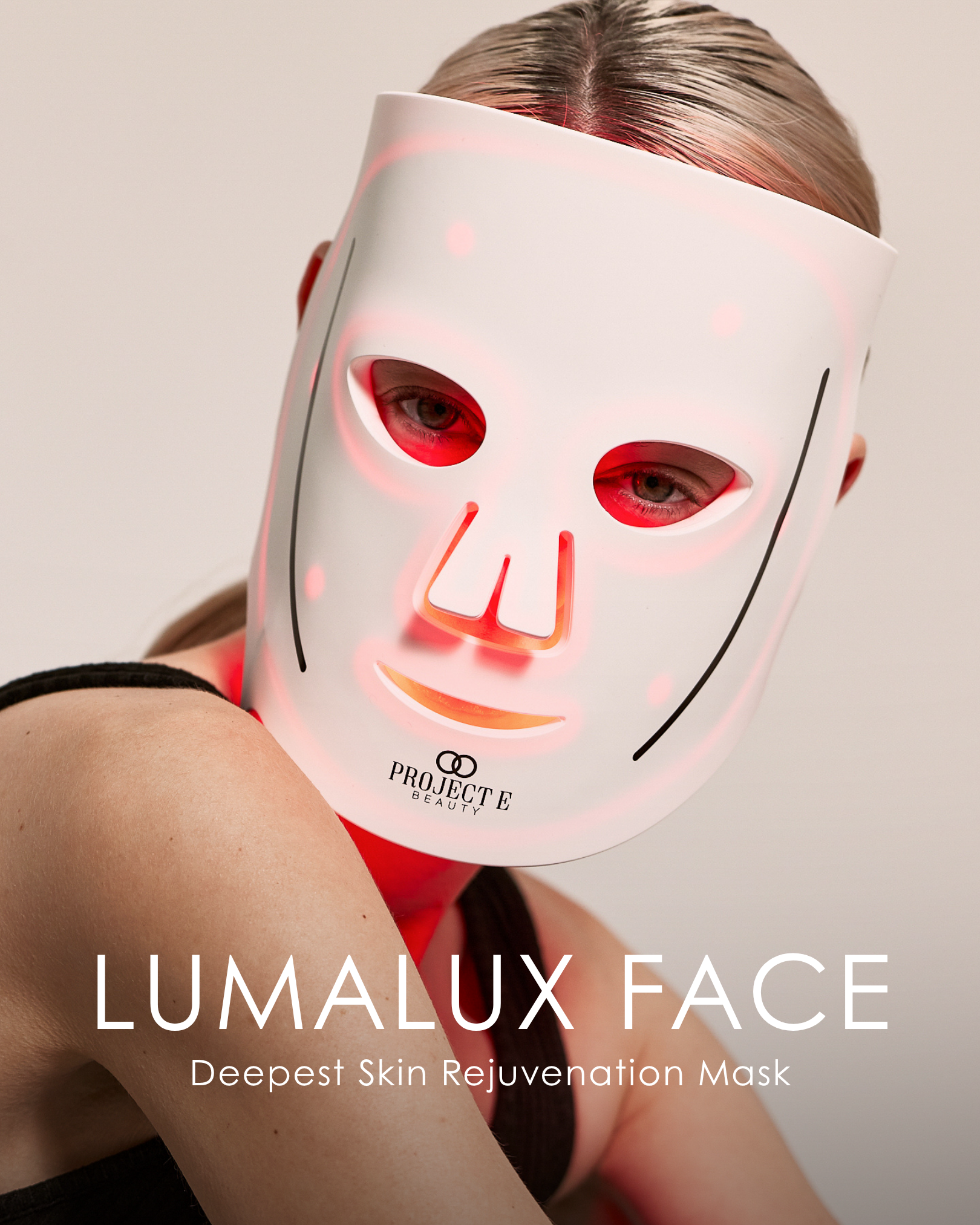
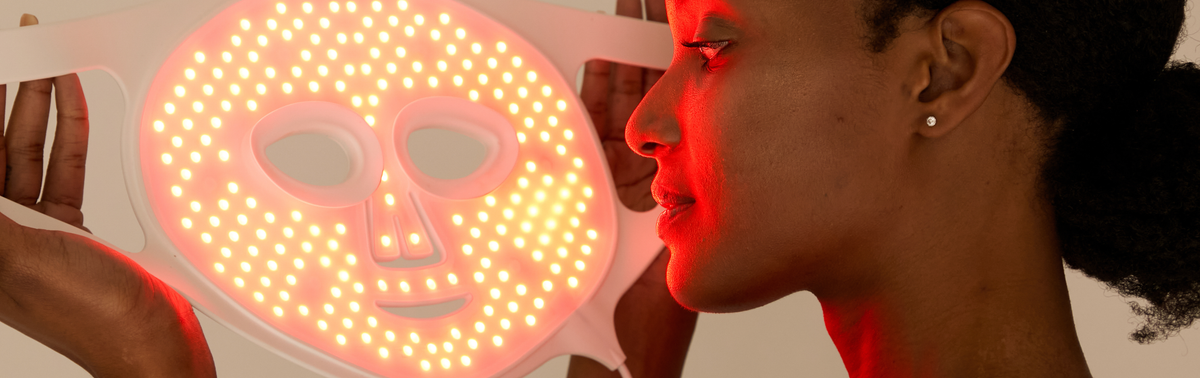
Red light therapy (RLT) is a non-invasive treatment that offers an array of benefits, whether it is carried out in professional clinics by a trained expert, or at home devices by a brand that practices skin safety, such as Project E Beauty’s Alora Age Renewal LED Panel, LumaLux Dome, LumaLux Face Pro LED Red Light Therapy Mask, and the LumaLux Face+ Pro LED Red Light Therapy Face and Neck Mask.
There is a stigma around the safety and efficacy of RLT, specifically the use of red light therapy on darker skin tones. Some people fear LED light therapy could react to the melanin in their skin, and cause other side effects, such as hyperpigmentation, melasma, or burns. However, Update Aesthetics expert, Nina Prisk, reassures us RLT is safe for all skin types.
Here is everything you need to know about red light therapy and melanin, from the efficacy, usability, and safety precautions.
What is Red Light Therapy?

Red light therapy is a non-invasive treatment that delivers different light wavelengths, including , red, near-infrared light, and deep LED light, which work to treat an array of beauty and health concerns.
Prisk explains: “The light reaches the deeper layers of the skin and ‘wakes up’ the cells, giving them more energy to function properly, which naturally supports repair, calms inflammation and encourages collagen production over time.”
What Are the Benefits of Red Light Therapy?
Prisk hails RLT as a “supportive, all-round treatment” that offers numerous benefits, such as calming inflammation, improving overall skin health, promoting collagen production, repairing the skin. Red light therapy benefits also include wound healing, muscle recovery, as well as sleep and mental-health support.
RLT devices can “vary hugely in strength and quality” says the expert. However, Project E Beauty’s Alora Age Renewal LED Panel, LumaLux Dome, LumaLux Face Pro LED Red Light Therapy Mask, and the LumaLux Face+ Pro LED Red Light Therapy Face and Neck Mask. deliver salon-worthy results. Each clinical grade device is fitted with high-grade LED chips that deliver various light wavelengths, and have been FDA approved.
What is the Fitzpatrick Scale?
The Fitzpatrick scale is a way for skincare experts to classify skin tones, and to “guide treatment choices safely”, whether it is carried out in a professional salon or at home, explains Prisk.
According to the HCA Healthcare Journal of Medicine, the Fitzpatrick scale is a “classification of phototypes (I–VI) that categorizes patients’ skin based on its ability to tan and burn.” For example, Fitzpatrick skin type I refers to very pale skin that is prone to burning, while those with Fitzpatrick skin type VI have deeply pigmented skin tones and less likely to burn.
Is Red Light Therapy Safe for All Skin Tones?
London’s Harley Street aesthetics expert reassures us that RLT is a safe, effective and “inclusive beauty treatment” suitable for all skin tones. Prisk explains: “RLT doesn’t target pigment or rely on UV light, so it isn’t influenced by how light or deep your skin tone is, it doesn’t trigger pigmentation or damage the skin. RLT works at a cellular level to support the skin’s natural repair processes, which means everyone can benefit from it in a similar way, regardless of skin tone.”

We must emphasise the importance of buying at-home RLT devices that have been FDA approved, tested, have clinical trials, and purchased from reputable companies, such as Project E Beauty’s Alora Age Renewal LED Panel, LumaLux Dome, LumaLux Face Pro LED Red Light Therapy Mask, and the LumaLux Face+ Pro LED Red Light Therapy Face and Neck Mask.
Prisk also reminds us not to overdo RLT, and if you notice any irritation, changes to your skin, or other side effects, to seek medical support.
Does Melanin Affect Red Light Therapy Absorption?
Prisk stresses that melanin does not impact the efficacy of RLT, or cause any side effects. She shares: “RLT doesn’t switch on the pigment pathways in the skin, so it shouldn’t cause darkening or changes in melanin production. It doesn’t change your natural skin color, it doesn’t stimulate tanning or pigmentation, instead it tends to improve overall skin clarity and tone.” Prisk adds: “I regularly treat darker skin types, and it doesn’t interfere with pigmentation at all.”
Who Should Avoid Red Light Therapy?

Red light therapy, whether it’s carried out in a trusted clinic by a trained professional or at home with Project E Beauty’s devices, is safe for all skin types, says Prisk.
However, she advises those “sensitive to light, taking certain medication that increases photosensitivity, or have an active skin infection” to use RLT with caution.
If you are unsure if RLT is suitable for you, or you notice any side effects, consult a medical professional and stop using it immediately.
Frequently Asked Questions
Does red light therapy cause hyperpigmentation or melasma on darker skin tones?
For the vast majority of people, no. Unlike UV rays or some aggressive lasers, red light therapy (RLT) does not trigger hyperpigmentation because it is 100% UV-free and non-thermal (it doesn't use heat to destroy tissue). However, individuals with severe melasma should monitor their usage, as extreme sensitivity to any light spectrum can occasionally trigger a flare-up.
Can I get a tan or a sunburn from using red light therapy?
No, it is not possible to tan or burn from LED Light Therapy. Tanning and burning are the skin’s protective responses to ultraviolet (UV) radiation, which damages cellular DNA. Red and near-infrared light use entirely different, longer wavelengths that heal and energize cells rather than damaging them.
Do I need to adjust my session time based on my Fitzpatrick skin type?
Generally, no. Because Red light therapy works by targeting the mitochondria inside your cells rather than heating the surface of your skin, the recommended session times apply safely to Fitzpatrick types I through VI.

LumaLux Dome | Face & Body LED Red Light Therapy Device
8 wavelength full body LED light therapy device for skin rejuvenation, fine lines, acne, muscle recovery and mood boost

LumaLux Face+ | Pro LED Red Light Therapy Face & Neck Mask
Red, infrared, deep infrared for fine lines, blemishes, and hyperpigmentation, dryness




Leave a comment
This site is protected by hCaptcha and the hCaptcha Privacy Policy and Terms of Service apply.